Most men own clothes that don't fit them. Not dramatically — nobody is walking around in a suit four sizes too large. The failures are subtler: sleeves half an inch too long, trousers pooling slightly at the ankle, a jacket that pulls across the back when reaching for a coffee. These micro-failures accumulate into an overall impression of imprecision.
The Relationship That Changes Everything
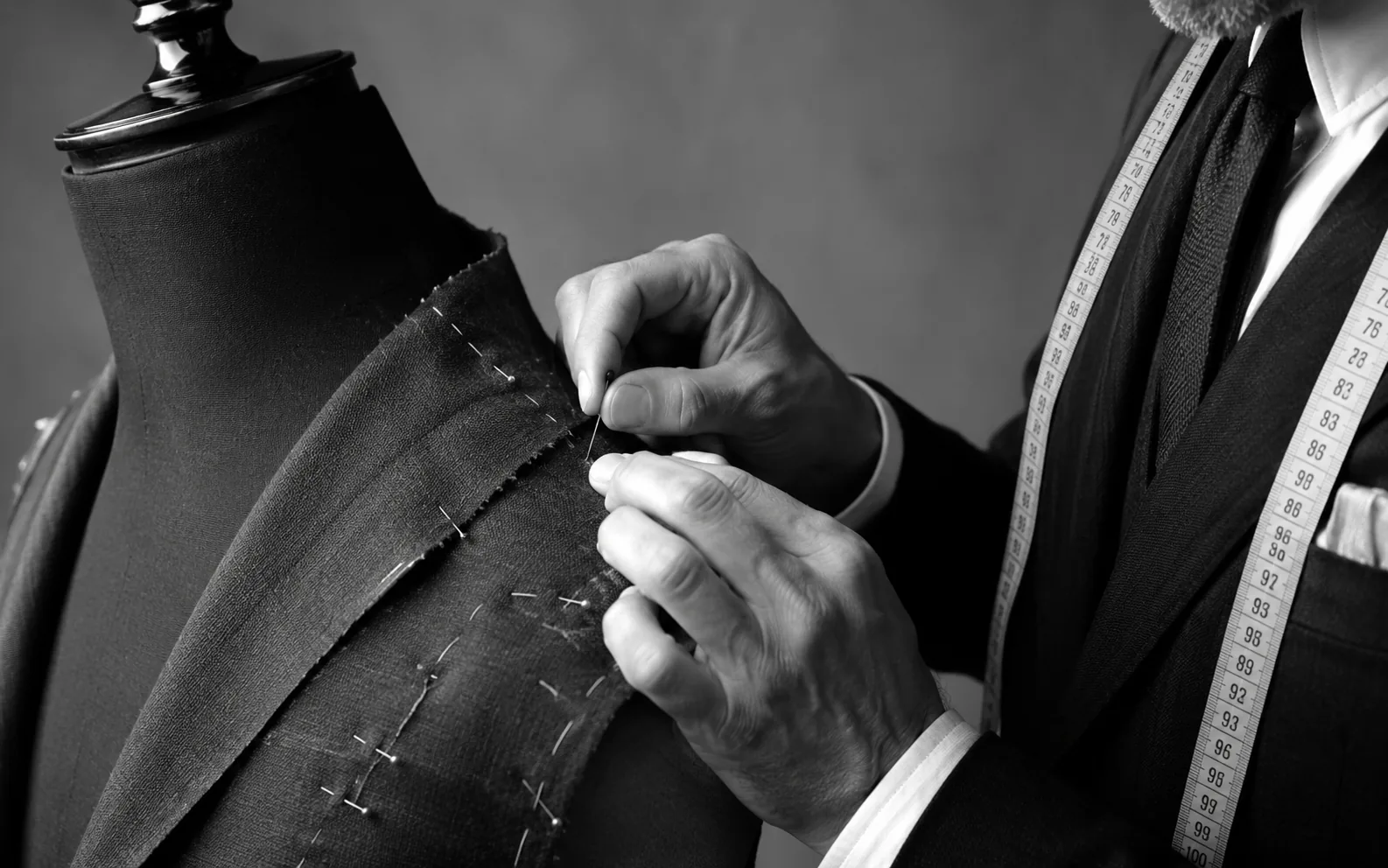
A tailor is not a luxury. In an era when mass-produced clothing is manufactured to fit statistical averages rather than actual bodies, a tailor is a necessity — the bridge between what the market offers and what your body requires. The relationship needn't be expensive or formal. It simply needs to exist.
Finding the right tailor often takes trial and error. Start with something low-stakes: a trouser hem or a sleeve shortening. Observe how they work. Do they measure twice? Do they discuss options? A good tailor communicates in specifics — quarter inches, preferred breaks, the precise point where a sleeve should meet the wrist bone.
What a Tailor Actually Does
Beyond basic hems and sleeve adjustments, a skilled tailor can restructure garments in ways most people don't realise are possible. Jacket waists can be suppressed to create shape. Trouser seats can be reshaped. Shoulder seams can be narrowed — though this is complex work that not every alterationist will attempt. Even shirt collars can be adjusted if they gap at the back.
The economics are surprisingly favourable. A fifteen-pound hem adjustment on a fifty-pound pair of trousers is a 30% upcharge that transforms the garment from acceptable to excellent. On a four-hundred-pound suit, the same alteration represents less than 4% of total cost for a dramatic improvement in presentation.
Building the Habit
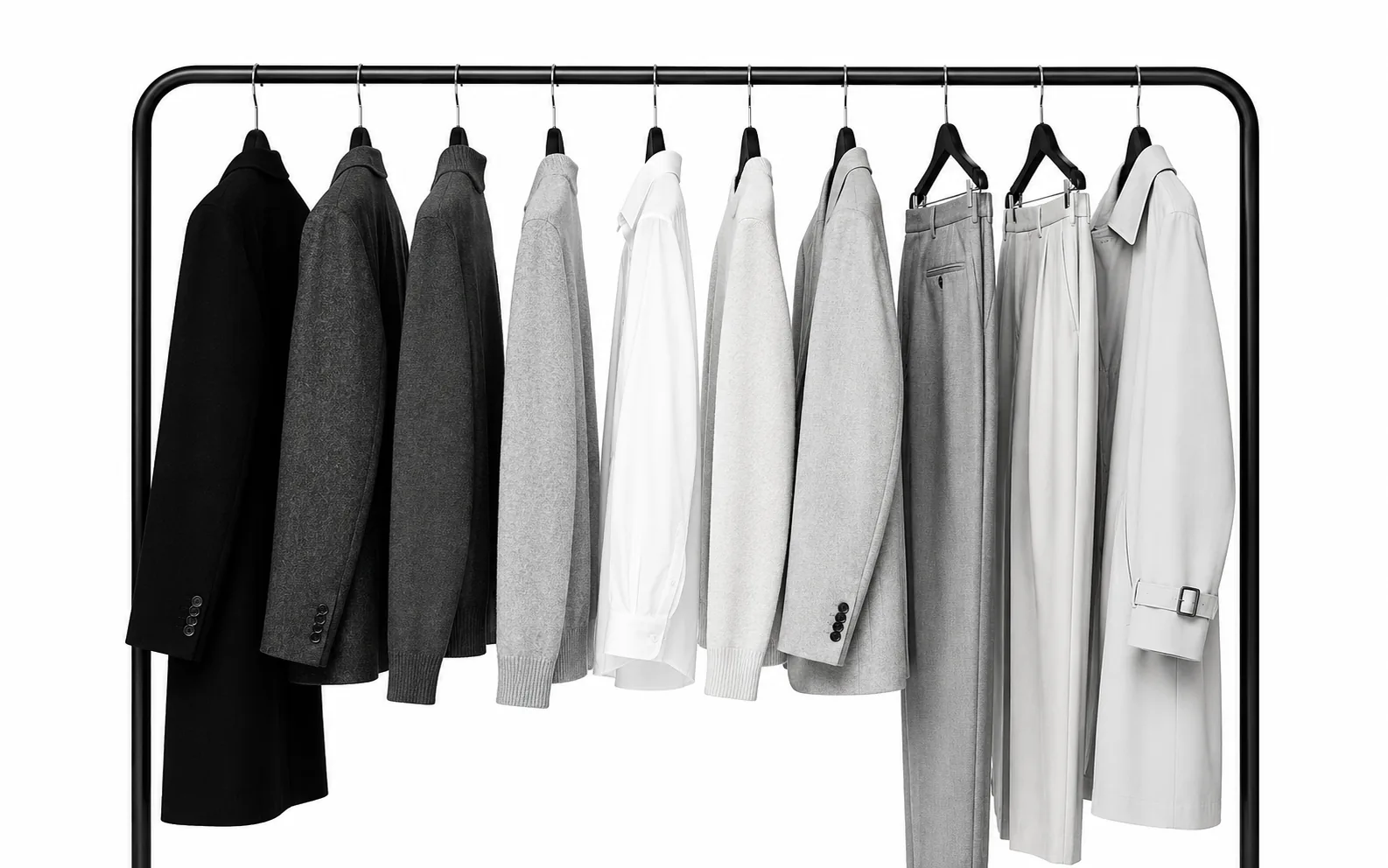
The best-dressed men treat tailoring as routine maintenance rather than special occasion. Every new purchase goes to the tailor before entering regular rotation. Seasonal weight fluctuations are addressed proactively. Favourite pieces are maintained and adjusted as bodies change over years.
This is not vanity. It's the same logic that leads people to maintain their cars or service their boilers. Clothing is a tool for navigating the world, and like any tool, it functions best when properly calibrated to the user.
Starting Today
If you don't currently have a tailor, start this week. Pull three items from your wardrobe that you wear frequently but that don't quite fit. Take them to a local alterationist — not for a complete overhaul, but for the one adjustment that would make the most difference. You'll spend less than you'd spend on a mediocre lunch, and you'll understand immediately why this relationship matters.