Every few months a client comes in holding a suit he had made on holiday, wanting to know whether it can be saved. Sometimes it can. Often the answer is that the garment was never going to work, and no amount of alteration will fix a chest that was cut wrong in the first place.
That is not an argument against having clothes made overseas. It is an argument for understanding what you are buying.
What you are actually getting
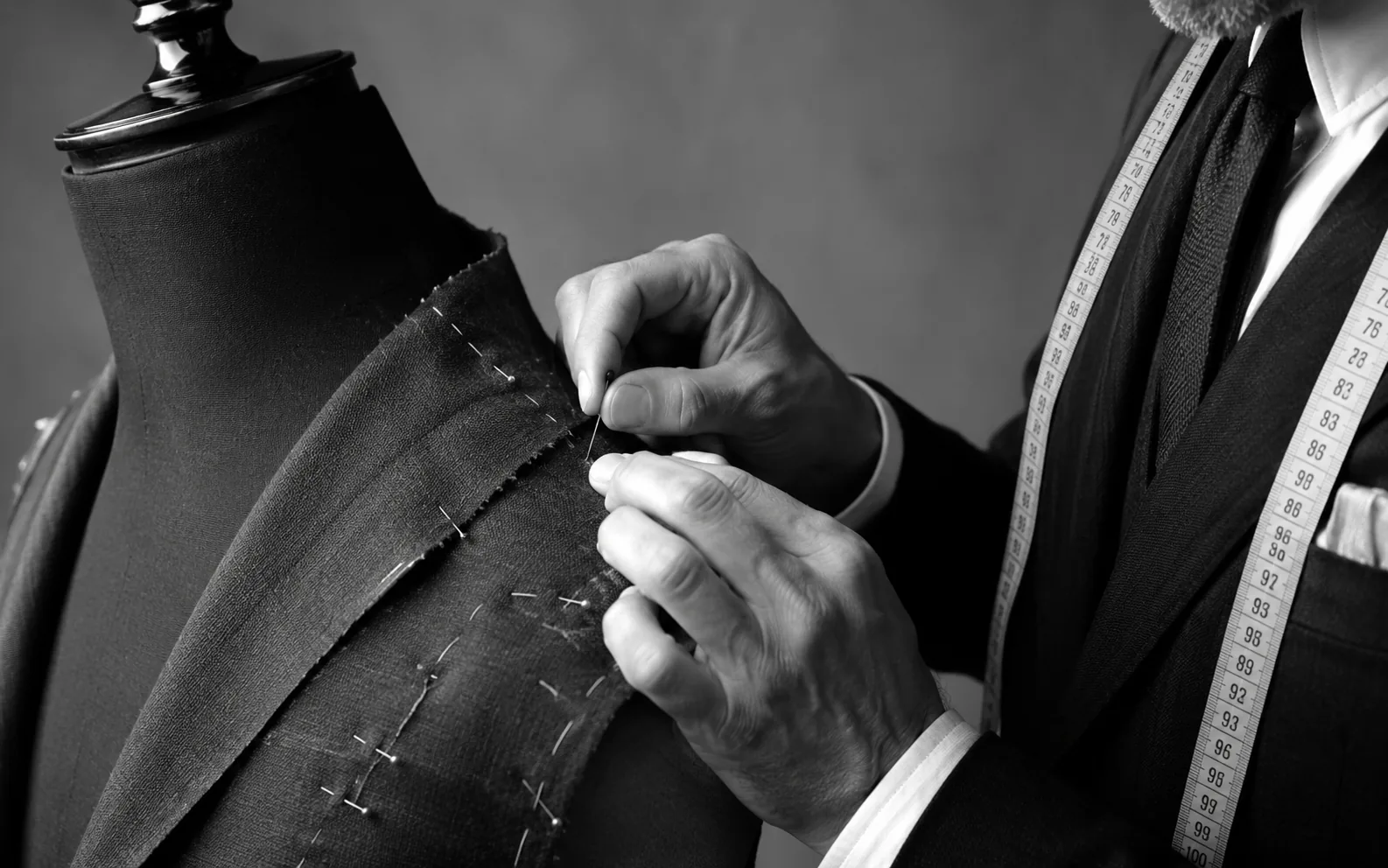
The word that causes the trouble is bespoke. In its proper sense it means a garment cut from a pattern drafted for you alone, with a hand-padded canvas, assembled over several fittings. That is what bespoke tailoring means on Savile Row and it is what it should mean everywhere.
What most overseas shops sell is made-to-measure: an existing block adjusted to your measurements, usually with a fused rather than a hand-stitched canvas. That is not a criticism. Made-to-measure done well fits better than anything off a rack, and at overseas prices it is remarkable value. It is simply a different product, and a shop that calls a twenty-four hour turnaround bespoke is telling you something about its honesty before you have handed over a deposit.
The twenty-four hour suit
You will see it advertised everywhere, and it is the single clearest signal to slow down. A garment cut, assembled, pressed and finished inside a day has had no fitting worth the name. The tailor has taken measurements in the morning, cut against a block, and delivered something approximately your size that evening.
Where these shops earn their reputation is on the second visit. Give a good overseas tailor three or four days and two fittings and the result changes completely. The house has time to adjust the balance, correct a shoulder, take in a waist and let you see the thing on your body before it is finished. The tailoring is the same; the time is the difference.
The practical consequence is that this belongs at the start of a trip, not the end. Order in the first two days and you leave room for the fittings. Order the day before you fly and you are buying whatever comes off the table.
Where people go, and why
Hong Kong built the modern reputation, largely through Shanghainese tailors who left the mainland in the late 1940s and brought a genuine cutting tradition with them. Prices there have risen a good deal since.
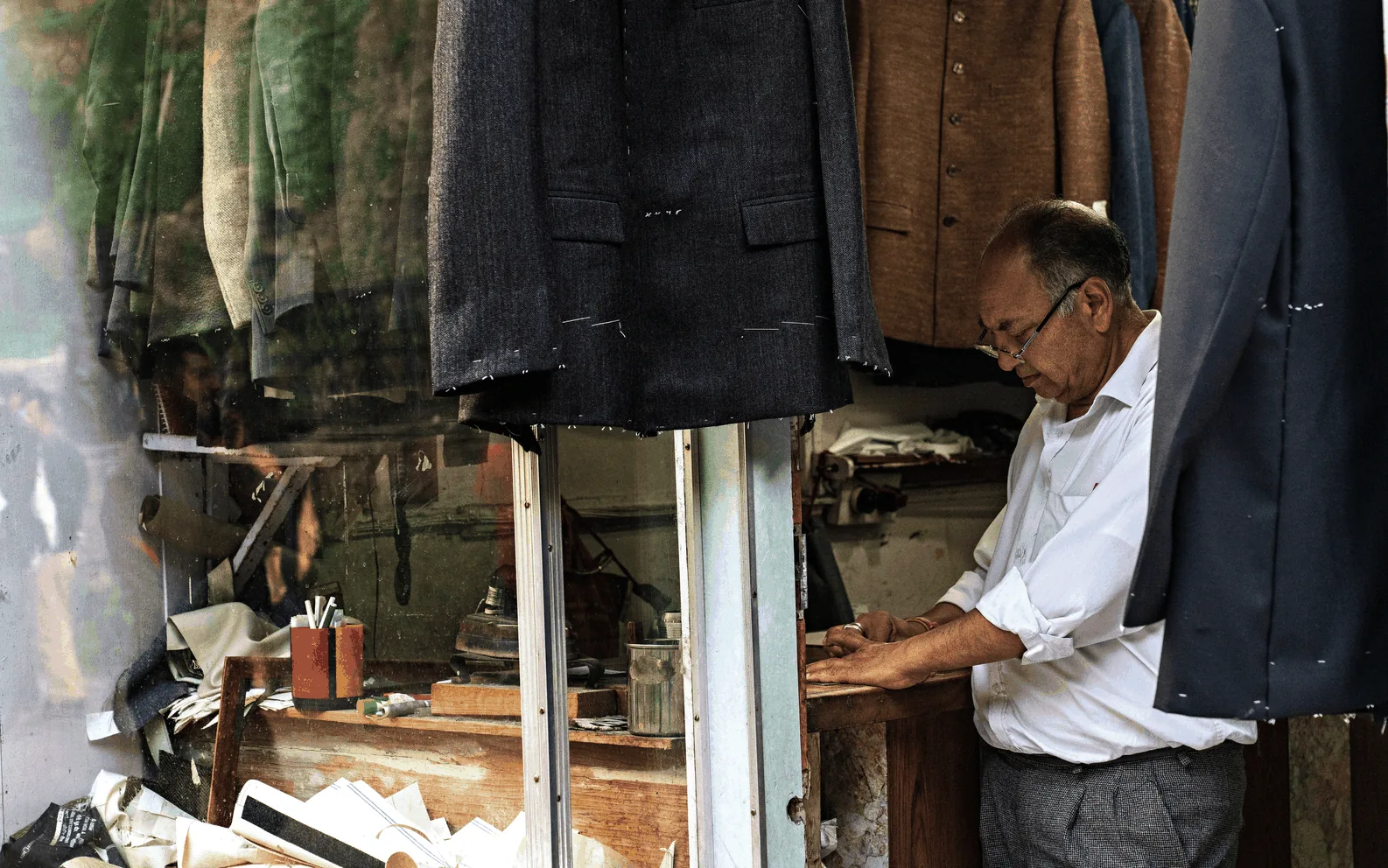
Bangkok is where most of the volume now sits, and it has the widest quality range of anywhere — genuinely excellent houses working a few doors from operations that exist to catch tourists once. The gap between them is not visible from the pavement, which is why anyone going should arrive with names rather than wander into whichever shop calls out first. Local coverage is more useful than the review sites here; the guide to the better tailors in Bangkok is written by somebody who lives there and names the houses that actually deliver, which is a more honest starting point than a ranked list of whoever pays for placement.
Ho Chi Minh City and Hoi An are cheaper again and increasingly good, though the cloth range is narrower. India has excellent tailoring in Delhi and Mumbai at prices that seem impossible until you understand the labour economics behind them.
How to brief a tailor you have never met
Bring a garment you already like. This is the single most useful thing you can do, and almost nobody does it. A jacket that fits you well communicates more in thirty seconds than an hour of discussion, because the tailor can measure the thing directly rather than interpreting what you meant by a slim fit.
Photographs help, but be careful what you show. A picture of a suit on a model who is nothing like your build is a picture of a body, not a garment. Better to photograph details — a lapel width, a trouser break, the way a shoulder sits.
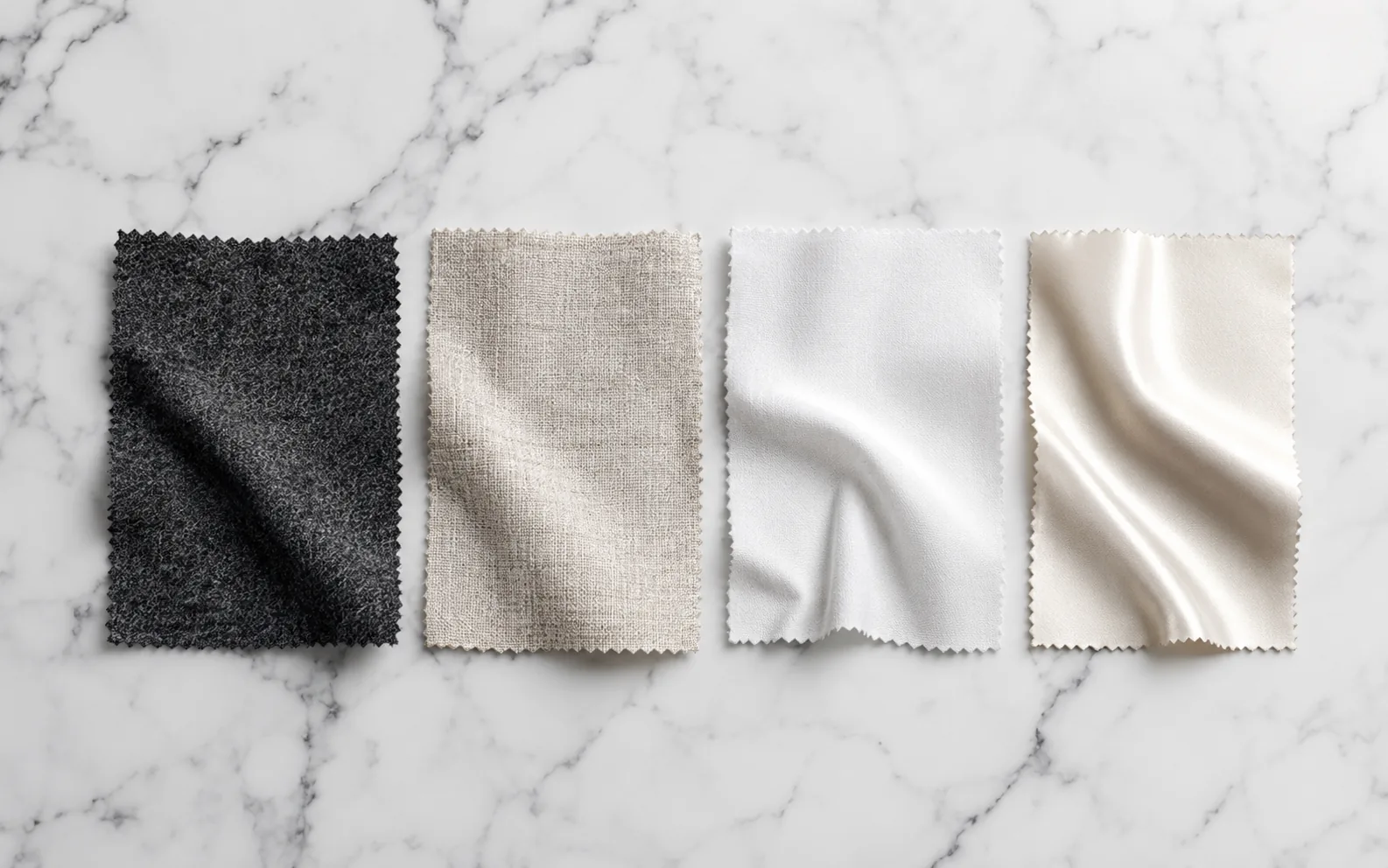
Ask about the canvas. If the answer is vague, the answer is fused. Ask what the cloth is and who wove it; a house that carries proper merchant bunches will tell you immediately and one that does not will change the subject to price.
And be specific about how you will wear it. A suit for a Virginia summer is not the same garment as one for a London winter, and weight is the variable most travellers get wrong. A great deal of tropical tailoring is made in cloth that will be unwearable at home for eight months of the year.
What you cannot fix afterwards
Bring the suit home badly cut and there are limits to what any alteration can do. A waist comes in easily. A sleeve shortens. A jacket that is too small across the chest, too short in the body, or wrong in the shoulder cannot be rescued, because the shoulder is where the garment is built and nobody can add cloth that was never there.
That is worth knowing before you commit, and it is the reason the fitting matters more than the price. A cheap suit that fits is a bargain. A cheap suit that does not is an expensive coat hanger.
When to have it made at home
If it is your first commissioned garment, having it made where you live is worth the premium. You get unlimited fittings, you can come back in six months when the trousers need taking in, and there is somebody to hold responsible if it goes wrong. Once you own something that fits and you can hand it to an overseas tailor as a template, the calculation changes entirely.
That is the sensible order for most people: learn what a good fit feels like at home, then travel with it.